
By CCA Texas Advocacy Director Shane Bonnot
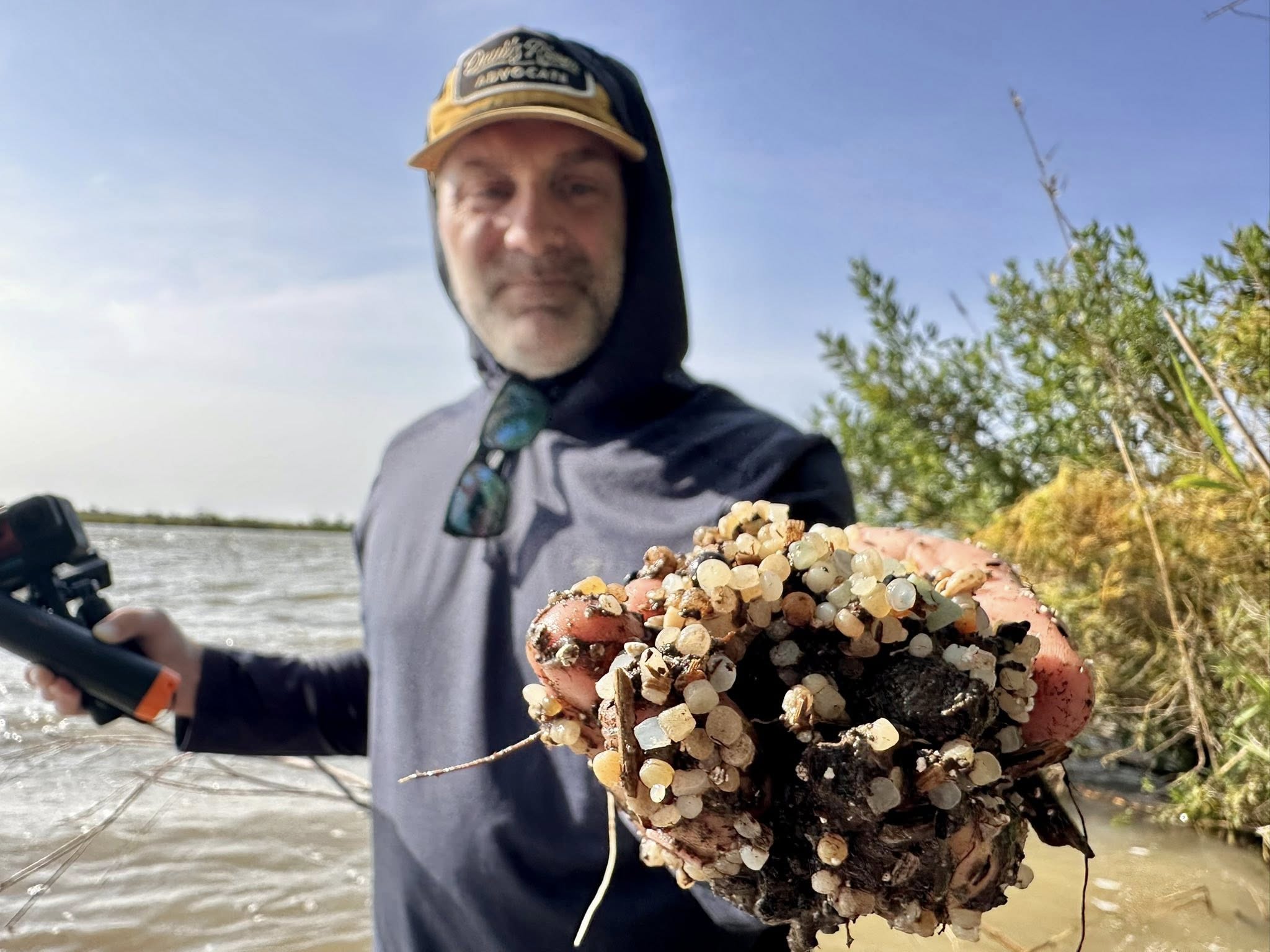
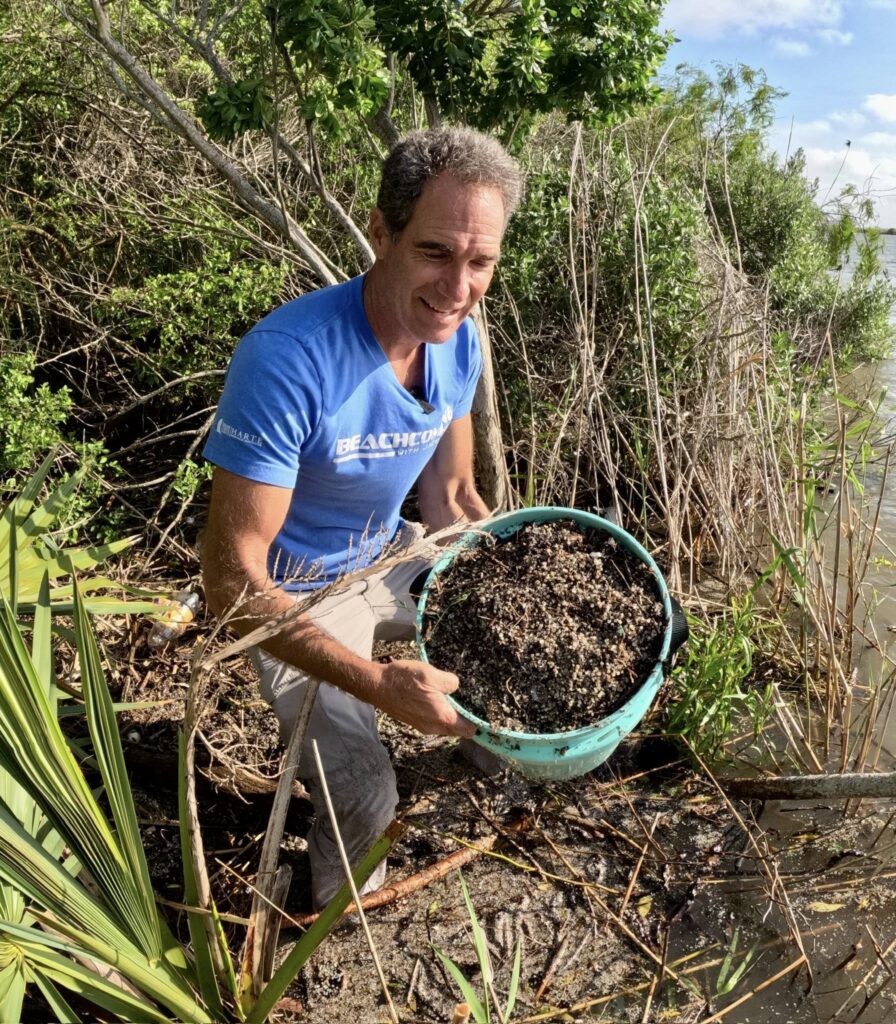
Texas’ waters face an ever-present threat that demands attention from conservation-minded anglers and outdoor enthusiasts: pre-production plastic pellets, commonly called “nurdles,” are washing up along coastal and inland shorelines across the state and accumulating in waterways. These tiny, peppercorn or fish egg-sized pellets— commonly clear, white, or gray in color—are the raw feedstock for virtually all plastic products. Though they appear insignificant, their ubiquity and persistence pose serious risks to marine life, fisheries, public health, and coastal economies.
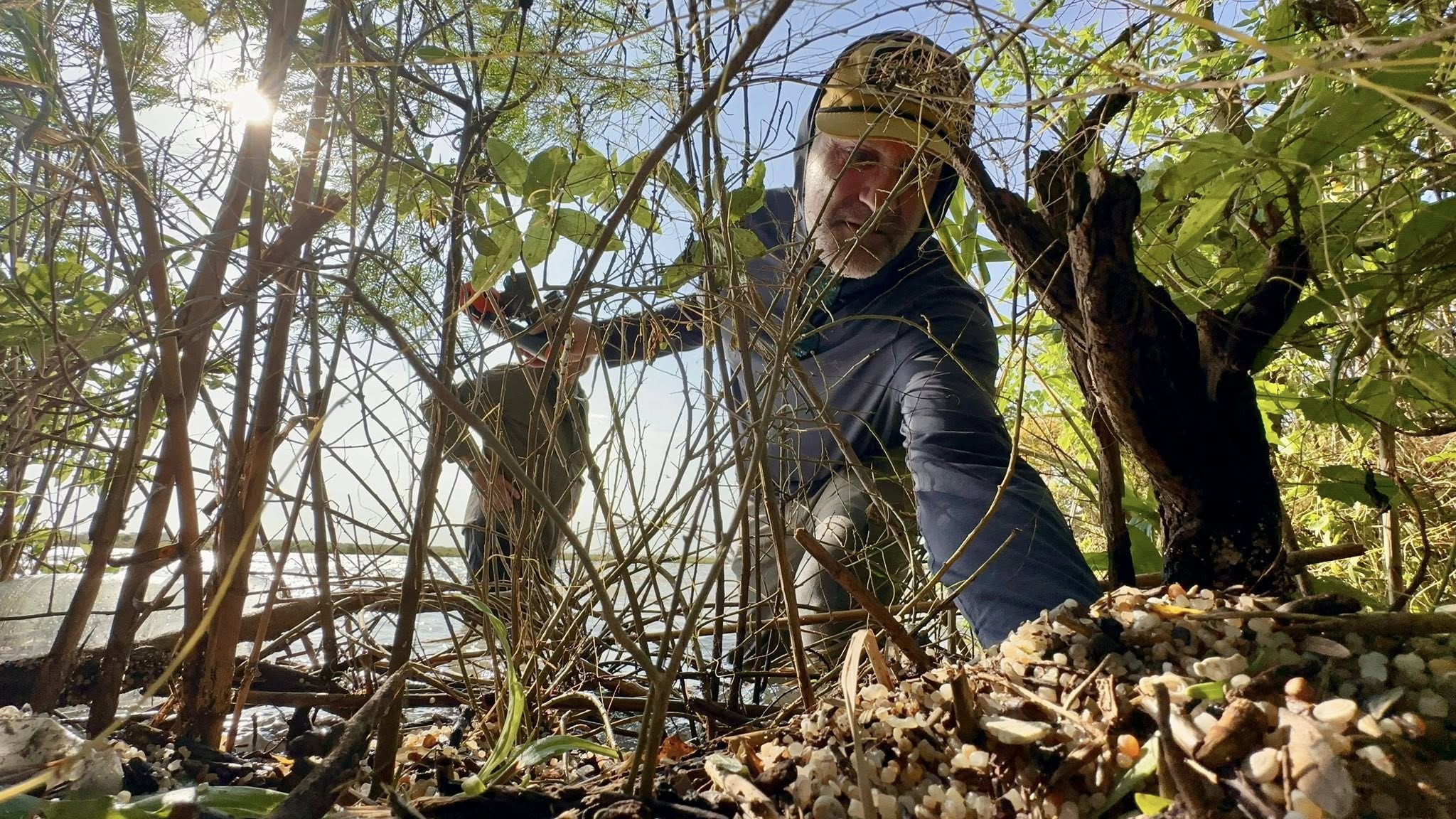
The problem is widespread. Recent citizen science efforts, including the International Plastic Pellet Count, found pellets at seven out of ten surveyed locations. Globally, researchers estimate that more than 10 trillion pellets enter waterways each year, and limited observations along Texas waterways have yielded more than 2.3 million collected pellets, according to data gathered by Nurdle Patrol, a citizen-science project led by the Harte Research Institute at Texas A&M University–Corpus Christi. Pre-production pellets are now the second largest source of marine microplastic pollution worldwide, yet public awareness of their presence and impacts remains low.
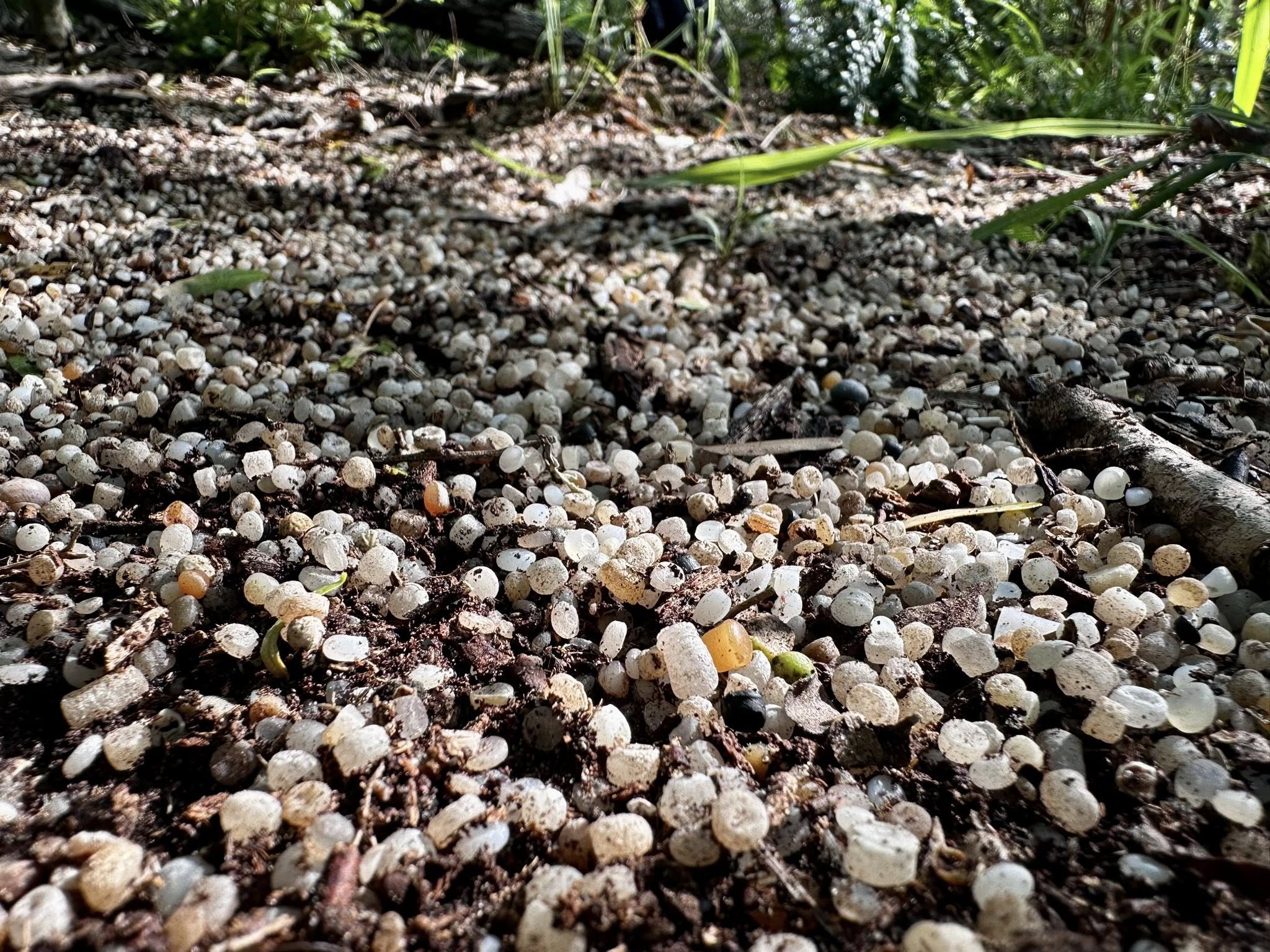
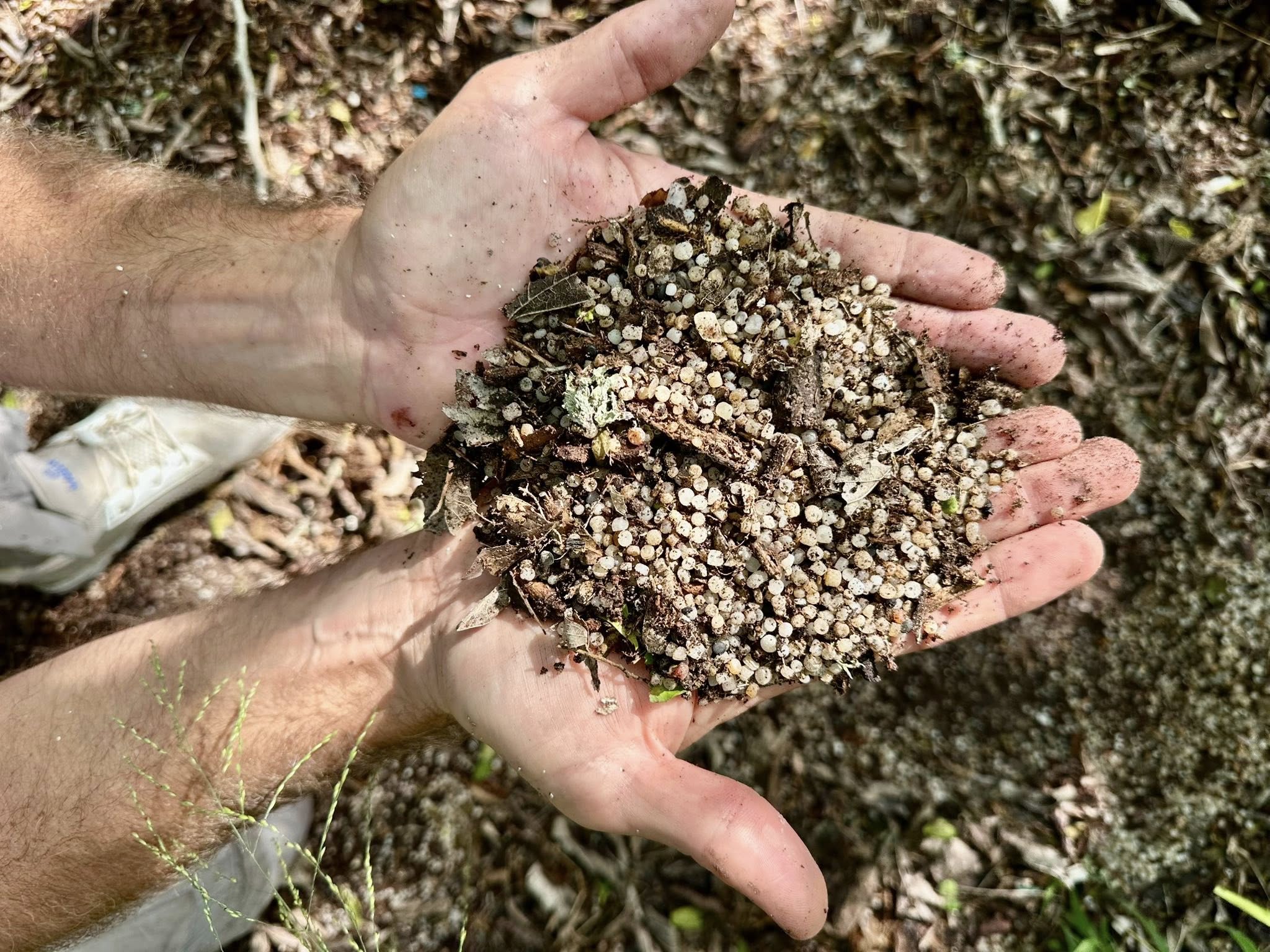
Texas is uniquely vulnerable because it is the nation’s leading plastics manufacturing hub. At least 36 production facilities in the state process pre-production materials, creating numerous opportunities for pellets to escape into the environment during transport, storage, and handling. Routine activities, such as loading and unloading, equipment failures, rainfall events, and inadequate containment, can release pellets that are then transported by wind, runoff, and drainage systems into estuaries, bays, and the Gulf of America.
Once released, these pellets do not disappear. They persist for centuries, slowly fragmenting into ever-smaller microplastics, acting as sponges for chemical contaminants, concentrating pollutants from the surrounding water. Marine organisms that ingest pellets face not only physical blockage and internal injury but also exposure to toxins, such as organic pollutants and heavy metals, absorbed by the pre-production plastics.
Impacts on marine life and fisheries are concerning and well-documented. Studies show microplastic ingestion causes “false satiation” in fish, reducing natural feeding and leading to malnutrition and stunted growth. Microplastics can impair respiration, interfere with nutrient uptake, and carry endocrine-disrupting and carcinogenic chemicals that affect reproduction and development. Lowered growth rates, reduced reproductive success, and higher mortality from cumulative stressors can translate into weaker fisheries, and for key Texas commercial and recreational species, these effects threaten population health and long-term sustainability.
This ecological damage has direct economic consequences. Texas’ outdoor recreation sector supports nearly 300,000 jobs, generates about $14 billion in wages, and contributes roughly $31 billion in value to the state economy. Commercial and recreational fisheries, beachfront tourism, marinas, charter operations, and related service sectors rely on healthy waters and abundant fish stocks. Visible pollution, both littered beaches and contaminated seafood, deters visitors and reduces revenue for coastal communities. Unfortunately, surveys show Texas beaches contain up to ten times more plastic debris than other Gulf Coast beaches, a disparity that threatens the state’s tourism and fishing reputation and the livelihoods that depend on it.
Public health concerns compound the problem, and much like asbestos or glyphosate before them, microplastics present a pattern of widespread exposure preceding comprehensive health research; a public health gamble we’ve lost before. Microplastics and the chemicals they carry can accumulate in seafood tissues, posing potential exposure risks to consumers. A primary health concern is inflammation and its contribution to the development and progression of cardiometabolic disease and cancer. The full spectrum of human health effects from microplastics exposure requires far more study, which is why The National Institutes of Health (NIH) issued requests for proposals to study the human health risks of nano-microplastics. Although science is still evolving, the possibility of chemical transfer through seafood consumption raises food safety questions and could erode consumer confidence in Texas-caught products – further jeopardizing commercial fishers and local seafood markets.
Despite the massive scale of this pollution, Texas regulations fall short. The Texas Commission on Environmental Quality (TCEQ) has authority under Surface Water Quality Standards to control pollutants, yet has failed to adopt comprehensive rules targeting pre-production plastics. Current regulations ban the discharge of “floating solids, other than trace amounts,” but what constitutes a “trace amount”? For a facility producing hundreds of trillions of pellets annually, even a trace amount means millions of pellets released into waterways. Worse still, some manufacturers are now requesting permit modifications that could weaken restrictions on floating solids, arguing that regulations are too vague or burdensome. What Texas needs is not regulatory rollback, but stronger, enforceable standards with clear definitions and accountability measures.
The most effective policy response is the adoption of zero-discharge standards for pre-production plastic pellets. Zero discharge requires facilities handling pellets to prevent releases through mandatory best management practices, clear reporting requirements, and enforceable permit limits.
Key components of zero-discharge programs should include:
- Robust containment systems around production, shipping, loading, unloading, and storage areas to prevent pellet escape;
- Regular equipment maintenance and inspection protocols to reduce accidental releases;
- Comprehensive employee training in spill prevention and handling procedures;
- Rapid response and cleanup procedures when releases occur;
- Mandatory reporting of all pellet releases to regulatory authorities and public disclosure of incidents.
CCA Texas members can play a decisive role in advancing zero-discharge standards. Practical steps include contacting the Governor and legislators, requesting they tell TCEQ to incorporate zero discharge of pre-production plastic standards in the Surface Water Quality Standards update; participating in public comment periods and requesting public meetings on relevant permits; supporting citizen science efforts such as Nurdle Patrol to document pollution and track progress; educating local communities and elected officials about pellet impacts; and reporting local accumulations to authorities to help identify pollution sources.
The evidence is overwhelming, the technology exists to stop this pollution, and inaction continually harms both our natural resources and the communities that depend on them. Conserving Texas waters and fisheries requires sustained advocacy from the public and regulatory resolve by TCEQ. Zero-discharge standards represent the most practical and effective approach to prevent a preventable source of pollution while preserving the economic and cultural values of Texas’ coast.
For the sake of marine life, local economies, and future anglers, action is imperative. Make your voice heard: demand zero discharge. Help ensure Texas’ waterways are productive, healthy, and beautiful for generations to come.